
"Turkish coffee meaning"
600 article(s) found

The kind of coffee commonly drunk by common sense.
Italian coffee (Espresso) Espresso originally means fast, while Espresso Cafe refers to espresso extracted in an instant. Because this coffee brewing method comes from the steam pressure coffee machine invented by the Italian Achigasha in 1946, it is commonly known as Italian coffee. Usually brewing Italian coffee at home, it is made by using Italian mocha pot.

The historical origin of coffee? Do you know how many
Professional baristas Please follow the Coffee Workshop (official Wechat account cafe_style) at the beginning of the seventh century, in 575 AD, the Arab Karl was grazing in the Ethiopian steppes of Africa when he discovered a coffee tree. In the eighth century, Arabs used coffee as wine and medicine. In the ninth century, Arab Islam began to drink coffee by roasting and grinding raw beans. Arab merchants in the tenth century
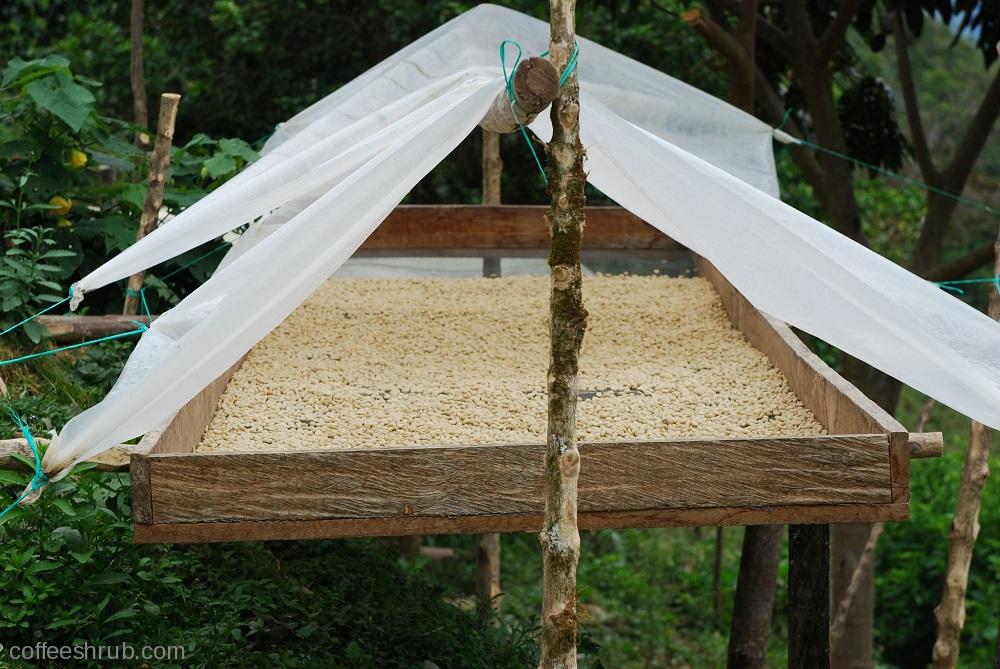
About the history of coffee, what is the origin of coffee?
Professional baristas Please follow the Coffee Workshop (official Wechat account cafe_style) at the beginning of the seventh century, in 575 AD, the Arab Karl was grazing in the Ethiopian steppes of Africa when he discovered a coffee tree. In the eighth century, Arabs used coffee as wine and medicine. In the ninth century, Arab Islam began to drink coffee by roasting and grinding raw beans. Arab merchants in the tenth century
Representative fancy coffee
The timeless classic latte is a classic blend of Italian espresso and milk. Italians also like lattes as breakfast drinks. In the Italian kitchen in the morning, coffee and milk are usually brewed on the sunlit stove. Italians who drink lattes do not so much like espresso as milk.
The Development of Coffee and the Promotion of Arabia, China and Turkey
The dietary use, cultivation and development of coffee in the Arab region are also related to Zheng he's voyages to the West in the early Ming Dynasty.

Coffee knowledge with representative significance
The timeless classic latte latte is a classic blend of espresso and milk, and Italians love lattes as a breakfast drink. In Italian kitchens in the morning, coffee and milk are usually brewed simultaneously on a sunny stove. Latte drinkers in Italy prefer milk rather than espresso, and they only drink it.
The steps of coffee divination in Turkey
Step 1 of coffee divination slowly finish the coffee, then cover the plate over the coffee cup. Step 2 shake the cup and plate slightly, thinking about the problem of divination, and then carefully reverse the cup and plate. Step 3 rest the cup and plate on the table and wait for the temperature at the bottom of the cup to cool. Step 4 if you open the cup carefully, you can proceed according to the pattern in the cup.
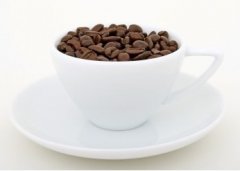
The brewing method of Arabian or Turkish coffee
In the brewing of coffee, it is not said which is the best way; everyone has what they think is the best way to make coffee. Coffee is already a part of our daily life, so it must suit our way of life; it can also meet the economic benefits of each person. Making coffee is not only a ritual, but also a practical problem in our lives. Coffee is not like tea or

Coffee Learning: the Theory and Technology of making Coffee Beverage
First, the classification of coffee beverages if we want to understand coffee drinks, we must first classify coffee drinks properly. In order to better understand these coffee drinks, and their extraction principles and production techniques. First of all, it needs to be explained that some people may have different views or practices on classification. But in principle, the method of classification is only a means, and there is no difference between right and wrong.

-latte.-what you have to know.
Latte is the transliteration of Italian Latte. Latte (CoffeeLatte) is a kind of fancy coffee. The perfect blend of coffee and milk, the Italian latte is pure milk and coffee, while the American latte replaces part of the milk with milk foam. Lattes come from an interesting historical fact. Different lattes are cooked and tasted in the same way, but each has its own flavor. Take the Italian latte
When did coffee become popular?
The cultivation and production of coffee in the 17th century was monopolized by Arabs. It was used mainly in medicine and religion, doctors and monks recognized coffee as refreshing, refreshing, invigorating, strengthening, hemostatic, etc.; the use of coffee began to be documented in the early 15th century, and it was incorporated into religious ceremonies during this period, as well as appearing in folk as a daily drink. Islam

Coffee introduces the representative fancy coffee.
The timeless classic latte is a classic blend of Italian espresso and milk. Italians also like lattes as breakfast drinks. In the Italian kitchen in the morning, coffee and milk are usually brewed on the sunlit stove. Italians who drink lattes do not so much like espresso as milk.
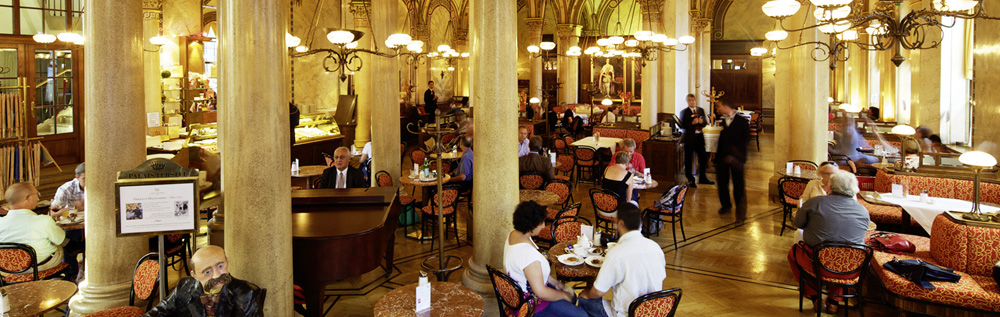
Coffee is indispensable in Vienna. Is coffee special to Vienna?
In Vienna, a cafe can be either a way of life, a social occasion, a mental massage shop, or an oasis. For Viennese, there are two indispensable places: one is the opera house, the other is the cafe. There are five opera houses in this city with a population of less than 2 million, while there are as many as 2500 cafes, large and small. Coffee shop to Viennese

Fancy coffee with representative knowledge of espresso
The timeless classic latte is a classic blend of Italian espresso and milk. Italians also like lattes as breakfast drinks. In the Italian kitchen in the morning, coffee and milk are usually brewed on the sunlit stove. Italians who drink lattes do not so much like espresso as milk.

The representative common sense of fancy coffee recommendation
The timeless classic latte is a classic blend of Italian espresso and milk. Italians also like lattes as breakfast drinks. In the Italian kitchen in the morning, coffee and milk are usually brewed on the sunlit stove. Italians who drink lattes do not so much like espresso as milk.

Introduction to famous Coffee Brands and their flavors
Professional coffee knowledge exchange more coffee bean information Please follow the coffee workshop (Wechat official account cafe_style) there are more than 100 kinds of coffee derived from different cultures in the world. Many of them are exactly the same coffee, just because the name varies from country to country. Well, the following list is representative of the world.
Frequently asked questions and answers to Coffee and Cocoa
Cocoa coffee fancy coffee cocoa coffee Caf Cacao (Eastern European countries) deep-grown coffee 150cc Cocoa liqueur 15cc stir cream 20cc cup pour coffee and cocoa liqueur, then float over the stirred cream. Cocoa liqueur is the most suitable liqueur for coffee, and coffee plus cocoa is the most common way to quote it in Europe. This kind of coffee can be either hot or hot.
Fancy coffee with representative basic knowledge of fine coffee
The timeless classic latte is a classic blend of Italian espresso and milk. Italians also like lattes as breakfast drinks. In the Italian kitchen in the morning, coffee and milk are usually brewed on the sunlit stove. Italians who drink lattes do not so much like espresso as milk.

Brewing method of coffee brewing method of Turkish coffee
In the brewing of coffee, it is not said which is the best way; everyone has what they think is the best way to make coffee. Coffee is already a part of our daily life, so it must suit our way of life; it can also meet the economic benefits of each person. Making coffee is not only a ritual, but also a practical problem in our lives. Coffee is not like tea or

Coffee culture around the world introduces the development of coffee.
In the 17th century * the first coffee grinder came out in London, England, and coffee was loved by Londoners. * Arabs try to control the coffee market, but in vain. The Dutch first brought coffee seedlings from Yemen and planted them in their colonies, such as Java, India, Ceylon and other countries. * A doctor in France added milk to coffee for patients to drink, resulting in the invention of milk coffee (Cof)